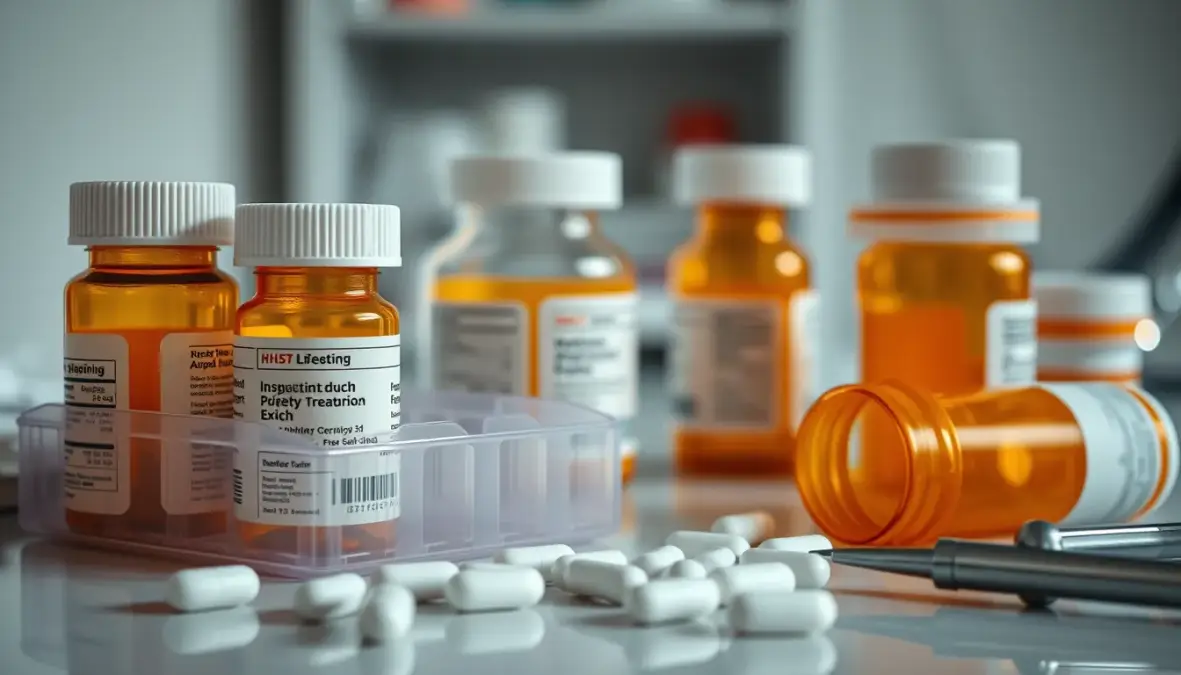
Drug-food interactions are an important issue that affects the effectiveness of our medication. At Pharma Care, we believe that understanding the relationship between what we eat and the medications we take is an essential component of health management. The food we consume can affect how the body processes medications, alter their absorption rate, increase or decrease their effectiveness, and even cause unwanted side effects. In this article, we will explain how drug-food interactions occur and how you can avoid potential problems.
What is an interaction between drugs and food?
A drug-food interaction occurs when a particular food or nutrient affects the way a drug works in the body. This effect can manifest itself in several ways:
- Change in the rate of drug absorption in the digestive system
- Interference with the drug breakdown process in the liver
- Effect on the rate of clearance of the drug from the body
- Competition for the same enzymes or transport mechanisms in the body
- Change in the physiological effect of the drug
It is important to understand that interactions between medications and diet can be positive or negative. Sometimes, taking a medication with a certain food can improve its absorption, while in other cases it may impair the effectiveness of the treatment.
Types of drug-food interactions
1. Pharmacokinetic interactions
These interactions affect the absorption, distribution, metabolism, and elimination of the drug in the body. For example, fatty foods can increase the absorption of some fat-soluble drugs, while dietary fiber may decrease the absorption of other drugs.
2. Pharmacodynamic interactions
These interactions affect the physiological activity of the drug in the body. For example, foods rich in vitamin K (such as green leafy vegetables) can reduce the effectiveness of anticoagulant drugs such as warfarin.
Common foods that affect medications
| food | Affected medications | Interaction type | Recommendations |
|---|---|---|---|
| Grapefruit and grapefruit juice | Statins, antihypertensive drugs, antiallergy drugs | Delaying the breakdown of the drug in the liver, increasing its concentration in the blood | Avoid grapefruit while taking these medications. |
| Green leafy vegetables (spinach, kale, lettuce) | Warfarin and other anticoagulants | Reducing the effectiveness of the drug | Maintain a constant intake and do not suddenly increase the amount. |
| Foods rich in calcium (milk and its products) | Tetracycline antibiotics, drugs to treat osteoporosis | Impaired drug absorption | Separate taking the medicine from consuming dairy products by at least two hours. |
| Foods rich in tyramine (aged cheeses, red wine) | MAO inhibitors (antidepressants) | Dangerously high blood pressure | Avoid these foods during treatment. |
The effect of meal timing on medication intake
The timing of medication intake in relation to meals is a significant factor in drug-food interactions. Some medications should be taken on an empty stomach, others with food, and some medications should be separated from certain foods.
Medications to be taken on an empty stomach
- Levothyroxine (Eltroxin) – a medication for the treatment of hypothyroidism
- Bisphosphonates (such as Foslan) – medications to treat osteoporosis
- Some antibiotics (such as azithromycin)
Medications to be taken with food
- Nonsteroidal anti-inflammatory drugs (NSAIDs) such as ibuprofen
- Diabetes medications such as metformin
- Some medications for treating high blood pressure
How to properly manage interactions between medications and nutrition
- Consultation with professionals: Always consult your doctor or pharmacist about possible interactions between the medications you take and the foods you consume.
- Reading the drug leaflet: The medication leaflet contains important information about possible interactions with food.
- Maintaining consistency: If you take medication regularly, try to maintain consistent eating habits.
- Documentation: Keep a diary of the medications you take and the foods you eat, especially if you experience side effects.
- Avoiding problematic foods: If an interaction between a particular drug and a particular food is known, avoid that food during treatment.
Drug groups with significant food interactions
Anticoagulant drugs
Medications such as warfarin (Coumadin) are greatly affected by vitamin K, which is found in green leafy vegetables. Sudden changes in vitamin K intake can change the effectiveness of the medication and increase the risk of bleeding or blood clots.
Blood pressure lowering medications
Foods high in sodium can reduce the effectiveness of blood pressure medications. In addition, ACE inhibitors (such as ramipril) can increase potassium levels in the blood, so be careful when consuming foods high in potassium, such as bananas.
Antidepressants
MAO inhibitors, used to treat depression, can cause a dangerous reaction when consumed with foods containing tyramine, such as aged cheeses, red wine, and beer. The reaction can include a sharp increase in blood pressure.
Antibiotics
Some antibiotics, such as tetracyclines and fluoroquinolones, bind to minerals such as calcium, iron, and magnesium, reducing their absorption. Therefore, they should be avoided with dairy products, mineral supplements, or fortified foods.
Special cases of drug-food interaction
Grapefruit and medications
Grapefruit is one of the most famous foods for drug interactions. It contains substances that inhibit the activity of the CYP3A4 enzyme in the liver, which is responsible for breaking down many drugs. As a result, drug levels in the blood can rise to dangerous levels.
Important to know: The effect of grapefruit on the liver enzyme system can last up to 72 hours! Therefore, even if you did not consume grapefruit immediately after taking the medication, there may still be an effect if you consumed grapefruit in the past few days.
Alcohol and drugs
Alcohol can affect a wide range of medications. It can increase the depressant effect of sedatives and painkillers, interfere with the activity of antidiabetic medications, and increase the risk of bleeding when combined with anticoagulant medications.
Caffeine and medications
Caffeine can increase the effects of some medications and decrease the effects of others. For example, it can increase the effects of stimulant medications and decrease the effectiveness of sedative medications.
Frequently Asked Questions
Are all drug-food interactions dangerous?
No, not all interactions are dangerous. Some may be mild and not clinically significant. However, some interactions can be serious and cause dangerous side effects or reduce the effectiveness of treatment. Therefore, it is important to be aware of possible interactions and consult a medical professional.
Should I avoid certain foods completely while taking medication?
This depends on the specific drug and the severity of the interaction. In some cases, such as when combining MAO inhibitors with foods rich in tyramine, it should be avoided completely. In other cases, such as when taking warfarin, there is no need to avoid green leafy vegetables, but rather maintain a regular intake. Always consult your doctor or pharmacist regarding your specific case.
Does a drug-food interaction affect everyone equally?
No, the impact of a drug-food interaction can vary from person to person depending on factors such as age, weight, health condition, genetics, and other medications being taken. Therefore, it is important to get personalized guidance from your doctor.
What about dietary supplements and medications?
Supplements, herbs, and vitamins can also interact with medications. For example, ginseng can interfere with the activity of anticoagulants, and St. John's wort can reduce the effectiveness of birth control pills and antidepressants. It's important to tell your doctor about all supplements you're taking.
How do I know if I am experiencing an interaction between a medicine and food?
Signs of an interaction may include a sudden change in the effectiveness of the drug, the appearance or worsening of side effects, or changes in medical indicators such as blood pressure or blood sugar levels. If you suspect an interaction, contact your doctor immediately and do not stop taking the drug without medical advice.
Medical Disclaimer: The information in this article is for informational purposes only and is not a substitute for professional medical advice. Do not make any changes to your medication or diet without consulting a doctor or pharmacist. The Pharma Care team recommends that you always consult a qualified medical professional before making any decisions regarding your health.
פרופ’ אלון גרין הוא מומחה לפסיכיאטריה קלינית ומחקר תרופתי, עם התמחות בפיתוח והתאמת תרופות מרשם למגוון מצבים נוירו-פסיכיאטריים. בעל ניסיון של למעלה מ־35 שנה בעבודה קלינית ואקדמית, וכיהן כמרצה ופרופסור אורח במספר אוניברסיטאות מובילות בארץ ובחו”ל. עמד בראש יחידות מחקר וטיפול בבתי חולים ציבוריים ומרכזים רפואיים מתקדמים. תחומי עיסוקו כוללים קשב וריכוז (ADHD), הפרעות חרדה והרגעה, דיכאון קליני והפרעות מצב רוח, וכן טיפולים תרופתיים תומכי דיאטה ואיזון מטבולי. משלב גישות מבוססות ראיות עם חדשנות פרמקולוגית, ופרסם עשרות מאמרים מקצועיים בכתבי עת מדעיים, תוך תרומה משמעותית להבנת מנגנוני פעולה של תרופות והשפעתן הקלינית.