
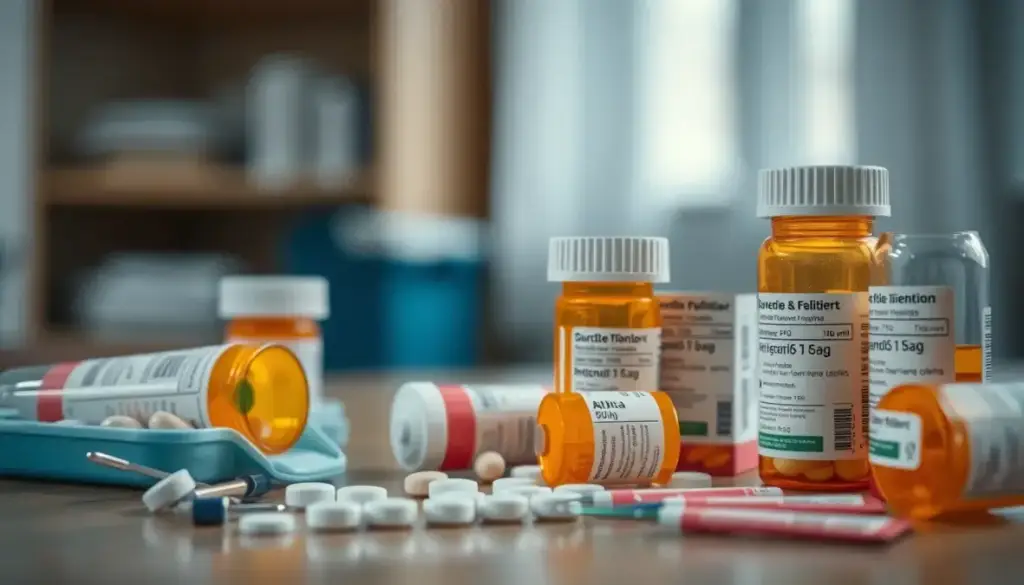
Traveling abroad is an exciting experience, but for people who take medication regularly, it can be a logistical challenge. At Pharma Care, we understand the importance of continuing medication while traveling, so we have prepared a comprehensive guide to help you organize your medications properly when traveling abroad. Whether you are traveling for a short vacation or an extended trip, planning ahead and properly for taking medication abroad will ensure that you can enjoy your trip without unnecessary worries.
Planning ahead: The key to properly organizing your medications before a trip
Preparing for a trip starts long before you pack. When it comes to medications and travel, planning ahead is critical to ensuring the continuity of your medication regimen.
Visiting the doctor before traveling
It is recommended that you schedule an appointment with your doctor at least one month before your trip. At this appointment, you can:
- Make sure your prescriptions are up to date and sufficient for the entire duration of your trip.
- Get additional prescriptions in case of loss or damage to medications
- Consult about adjusting medication times to accommodate time zone changes
- Find out if vaccinations or preventive medications specific to your travel destination are needed.
Checking the legality of medications at the travel destination
It is important to know that certain medications that are legal in Israel may be prohibited or restricted in other countries. Before traveling abroad with medications, check:
- Are the medications you are taking legal in the destination country?
- Is special permission required to bring medications into the country (especially narcotic or psychiatric medications)?
- What are the restrictions on the amount of medication that can be brought in?
This information can be obtained from the embassy or consulate of the destination country, or on the local Ministry of Health website.
Preparing essential medical documents for travel
Proper medical documentation is an integral part of properly preparing for traveling with medication. They may be required at border crossings, at local pharmacies, or in the event of a medical need abroad.
Documents that are important to prepare
- Letter from the attending physician – In English, detailing your medical condition and the medications you are taking
- Medical prescriptions – Copies of valid prescriptions, preferably in English and with the generic names of the medications
- Medical information card – A small card containing information about your medical condition, allergies and medications you are taking
- Special medical certificate – For medications that include narcotic or psychotropic substances
- Contact details of the attending physician – In case of need for urgent consultation
Important tip for taking medication abroad
Keep all medical documents in a separate, waterproof file, and make digital copies of them to keep on your phone and email. This way, you can access them even if you lose the original documents.
Packing Medicine for Travel: Practical Methods and Tips
Properly packing your medications is a critical component of preparing for a trip. Smart packaging will ensure that your medications remain effective and are accessible when you need them.
| Packaging type | Advantages | Disadvantages | Particularly suitable for… |
|---|---|---|---|
| Original packaging | Easy identification, complete information about the drug, proof of origin | Takes up a lot of space, less convenient for organization | Medications requiring special permits, short trips |
| Weekly distribution boxes | Organization by days and hours, saving space | It is difficult to identify the drugs, there is no information about the drug | Long trips, complex medication regimens |
| Dedicated medication pouches | Protection from moisture and heat, neat organization | Relatively high cost | Environmentally sensitive medications, field trips |
The amount of medication you should take
The rule of thumb is to take more than you expect to need:
- Take enough for the entire trip + an additional 50% in case of delays or loss.
- Divide your medications between your carry-on bag and your suitcase, in case one of them gets lost.
- If you are traveling with a partner, consider sharing some of your medications between you.
Maintaining proper storage conditions
Different medications require different storage conditions. When taking medications abroad, pay attention to:
- temperature – Avoid exposing medications to extreme heat or cold.
- moisture – Store medications in a dry place, away from bathrooms.
- light – Many medications are sensitive to light, keep them in sealed packaging
For medications that require refrigeration (such as insulin), use dedicated insulated pouches and consult your doctor about storage while traveling.
Dealing with specific challenges in taking medication while traveling
Adjusting medication times to accommodate time zone changes
Long flights and time zone travel pose significant challenges for people who take medications at regular times. Here are some guiding principles:
- Medications taken once a day – Gradually adjust the pickup time to the local time at the destination
- Medications taken several times a day – Maintain regular time intervals between doses.
- Medications for diabetes or blood clotting – Consult your doctor regarding specific suitability
Important to know: Never skip a dose or take a double dose without consulting a doctor. If in doubt, call your doctor or consult a local pharmacist.
What to do in case of loss or damage to medications
Despite all the preparations, sometimes medications can be lost or damaged during the trip. In such a case:
- Go to a local pharmacy with the prescription and letter from the doctor.
- If necessary, contact a tourist clinic or local hospital.
- Contact your health insurance company for instructions.
- In urgent cases, contact the Israeli consulate or embassy for assistance.
Specific medications and special requirements when traveling
Medications that require special conditions
Some medications require special attention when traveling:
- Insulin and diabetes medications – Require refrigerated storage and frequent sugar measurements
- Anticoagulant drugs – May be affected by flights and dietary changes
- Epilepsy medications – Make sure to take it at regular times to prevent seizures.
- Psychiatric medications – May be restricted from entering certain countries
Recommended medications for a first aid kit for travel
In addition to your regular medications, it is recommended to prepare a basic medicine kit for the trip:
- Painkillers (paracetamol, ibuprofen)
- Antidiarrhea and heartburn medications
- Antihistamines for the treatment of allergies
- Antibiotic ointment for treating minor wounds
- Sun protection products
- Medicine to prevent altitude sickness (on trips to high altitudes)
- Malaria prevention medications (when traveling to endemic areas)
Medical insurance and medication expenses abroad
Travel insurance that includes medical coverage is essential for every traveler, especially those who take medication regularly. When purchasing insurance, make sure:
- That the policy covers pre-existing medical conditions
- That there is coverage for medication expenses in the event of loss or theft
- There is coverage for emergency medical care related to your medical condition
- That there is a 24/7 medical assistance service in the language you speak
Remember to take your insurance details and emergency phone numbers with you.
Frequently Asked Questions
Is it allowed to fly with prescription medications in your hand luggage?
Yes, it is permitted and recommended to fly with prescription medications in your hand luggage. However, you must ensure that the medications are in their original packaging with the identification label, and it is advisable to include a prescription or letter from your treating physician. Liquid medications in volumes exceeding 100 ml may require special permission – check with the airline in advance.
What do you do if you run out of medication in the middle of the trip?
If you run out of medication during your trip, contact a local pharmacy with your prescription and a letter from your doctor (preferably in English). In many countries, you can get prescription medication without a local prescription, especially if you have the appropriate documents. If the medication is difficult to obtain, contact a tourist clinic or the Israeli consulate for assistance.
How do you deal with taking medication on long flights and time zone changes?
Dealing with taking medication abroad during long flights and time zone changes depends on the type of medication and the frequency of taking it. The basic rule is to maintain regular time intervals between doses. For medications taken once a day, it is recommended to gradually adjust the time of taking it to the local time at the destination. For critical medications such as insulin or anticoagulants, it is important to consult your doctor before traveling for specific instructions.
Are all medications that are legal in Israel also allowed abroad?
No, not all medications that are legal in Israel are permitted in every country in the world. Certain medications, especially those containing narcotics or psychotropic substances (such as sedatives, sleeping pills, severe pain medications, or ADHD medications), may be prohibited or restricted in certain countries. Before traveling, it is important to check the specific laws of your destination country through the embassy or the local Ministry of Health website.
How do I know if my medications need to be kept refrigerated during my trip?
Information about the storage conditions required for a medicine is usually provided in the package insert or on the packaging itself. Medicines such as insulin, certain vaccines, and biologics usually require refrigeration. If you are unsure, consult your doctor or pharmacist. For medicines that require refrigeration, you can use special insulated pouches or small cooler boxes designed for medicines.
Medical Disclaimer: The information in this article is for general informational purposes only and is not a substitute for professional medical advice. This information should not be used for self-diagnosis or self-treatment. Any medical decision should be made in consultation with a qualified physician. Pharma Care is not responsible for any damage or injury that may result from reliance on the information in this article. Please always consult your physician before making any changes to your medication regimen, especially before traveling abroad.

Prof. Alon Green is an expert in clinical psychiatry and drug research, specializing in the development and adaptation of prescription drugs for a variety of neuropsychiatric conditions. He has over 35 years of experience in clinical and academic work, and has served as a lecturer and visiting professor at several leading universities in Israel and abroad. He has headed research and treatment units in public hospitals and advanced medical centers. His areas of expertise include attention deficit hyperactivity disorder (ADHD), anxiety and sedation disorders, clinical depression and mood disorders, as well as drug therapies that support diet and metabolic balance. He combines evidence-based approaches with pharmacological innovation, and has published dozens of professional articles in scientific journals, making a significant contribution to the understanding of the mechanisms of action of drugs and their clinical effects.